Management Advancement Research Center (MARC)
Introduction
The Management Advancement Research Centre (MARC) was established at FAST-NUCES Islamabad in 2014 to conduct leading-edge research in management sciences with the aim to enhance knowledge and to find solutions for industry challenges. Various Special Interest Groups (SIGs) work under MARC, all committed to taking up projects that contribute to the body of knowledge, while at the same time providing a bridge between academia and practice.
Vision and Mission of MARC
- Vision: Aspiring to impact management theory and practice through creative and ethical research.
- Mission: To conduct high quality research, following highest standards of ethics, to provide useful solutions for management, businesses and society, keeping a balance between points of convergence and divergence in an increasingly global business world.
Research Values of MARC
- Creativity: Using imaginative and original ideas to create something new.
- Excellence: Embracing high standards and continuously creating better ways of doing things.
- Impact: Improving understanding of complex business issues, to impact human and institutional functioning.
Special Interest Groups
Cross-Cultural Management and Leadership SIG has carried out various projects on leadership, cross-cultural HRM and performance management over the past decade. International projects and partnerships include work with the Cross-Cultural Management Network (CCMN), under which the main past project covered areas of trust and leadership across cultures, while the current project is based on leadership behaviors, trust, and job embeddedness across cultures covering data from 25 countries. Another landmark project of this SIG includes collection of data on the GLOBE 2020 project for comparison of cultural dimensions in Pakistan with 140 plus countries in collaboration with Simon Frasier University, Canada; the Director MARC has also conducted the GLOBE study in Pakistan in the past. She has worked on expatriate adjustment in Pakistan and on developing a deeper understanding of the dynamics of Global Virtual Teams (GVTs). She has also been involved in various projects on performance management aimed at improving industry practices, particularly while keeping Pakistani culture in perspective.
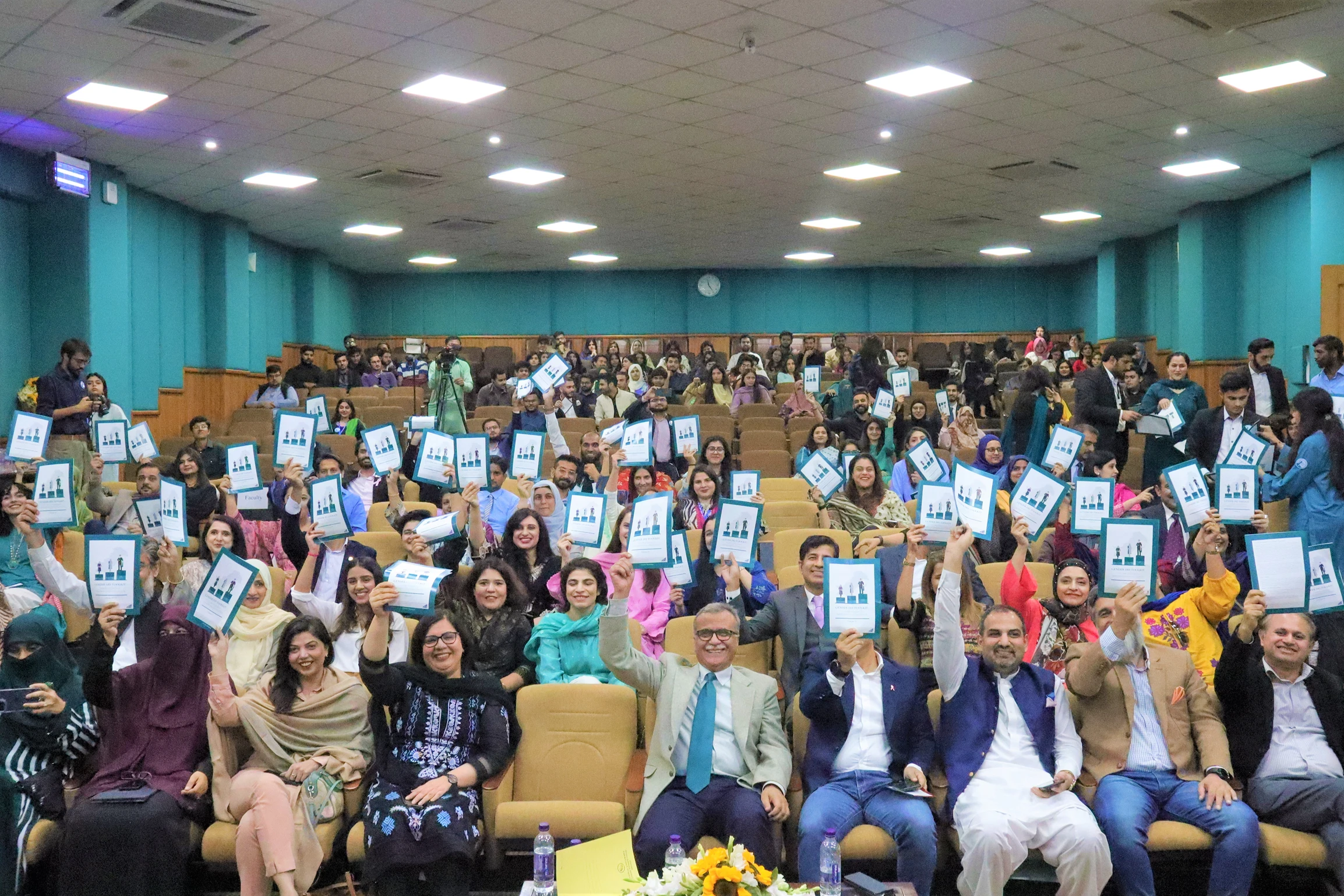
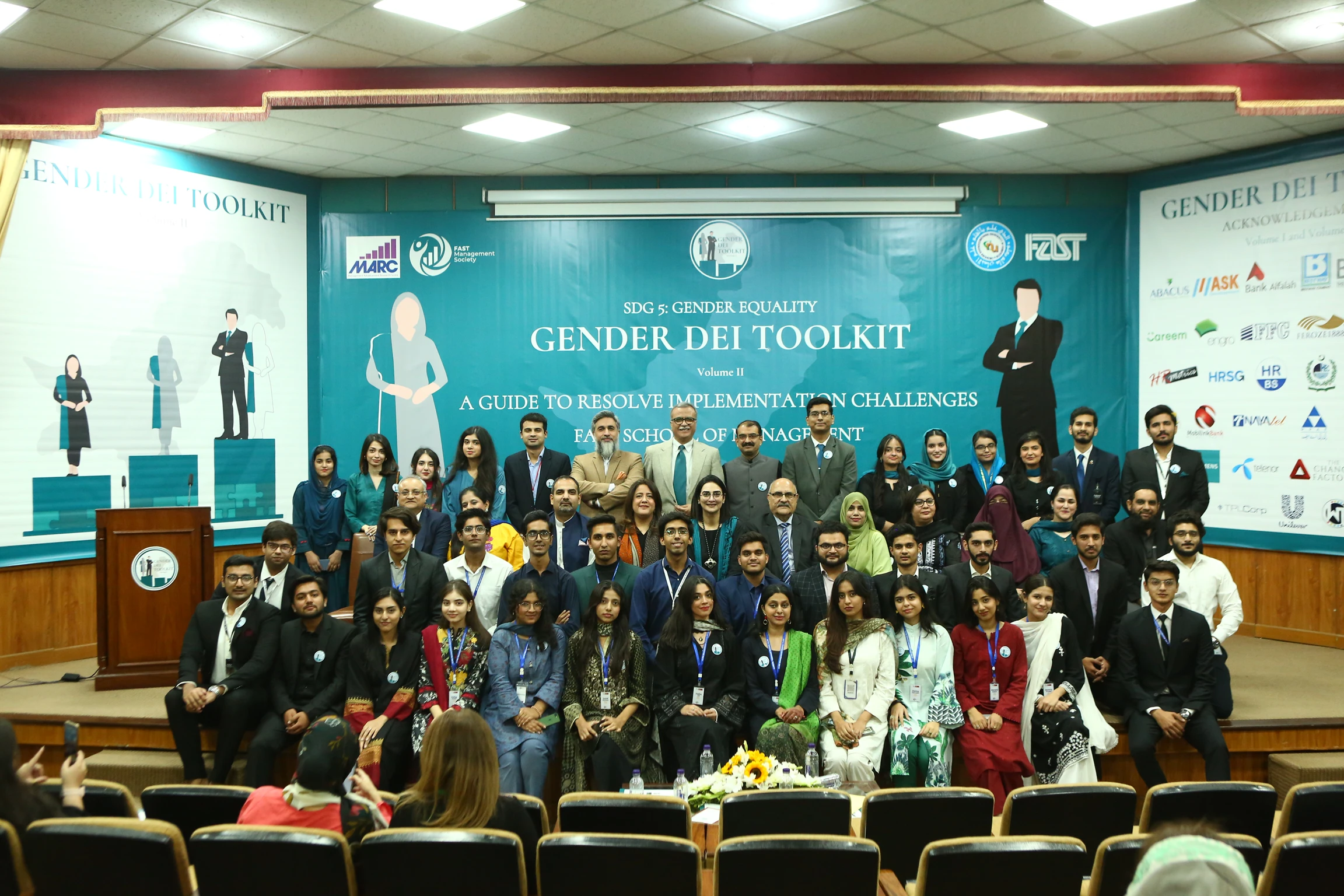
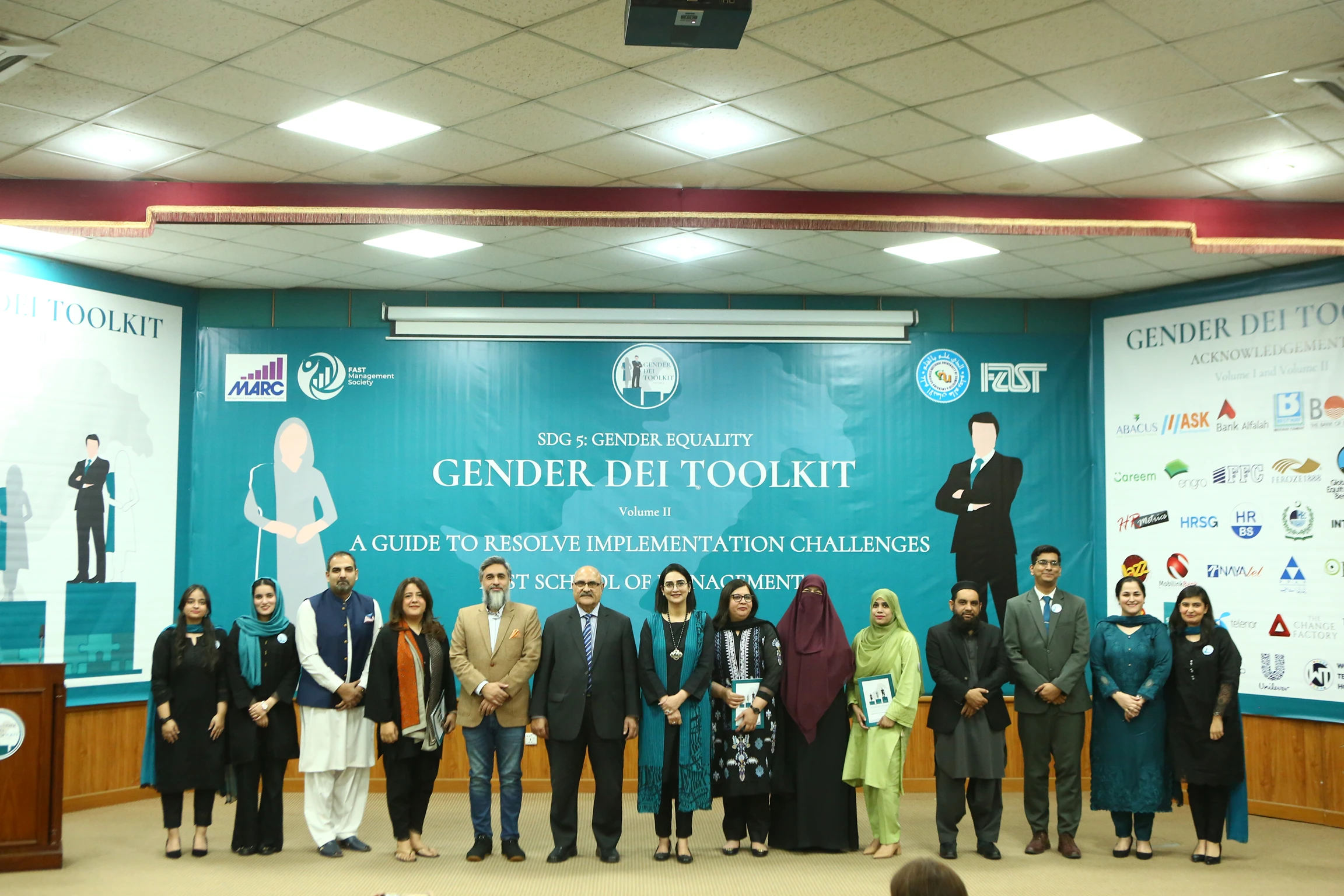
Diversity, Equity, and Inclusion SIG has carried out multiple projects on women’s leadership journeys and experiences, women’s careers in STEM and finance, diversity climate and workgroup inclusion, and organizational structures. It has also worked on systems that enable women to enter and progress in organizations. Projects have also covered areas such as discrimination based on colonial mindset bias, neurodiversity, and discrimination against transgender individuals. A distinctive contribution of this group is the Gender DEI Toolkit Series (Vol I, II and III), and the Gender ‘DEI Tookits’ App, which is available to organizations and individuals on the Play Store and App Store. The team working under this SIG also conducts capacity-building initiatives aimed at promoting gender-sensitive policies and inclusive workplace practices. Through collaborative projects, policy engagement, and dissemination of practical tools, the group seeks to bridge the gap between research and practice to advance equitable opportunities and inclusive organizational cultures.
Human-AI interaction SIG focuses on examining the evolving relationship between humans and artificial intelligence in academic and workplace settings. Over the past few years, the group has undertaken several funded research projects investigating both the beneficial and potentially harmful effects of Generative AI usage in higher education, particularly in relation to student learning, motivation, ethical use, and academic outcomes. The SIG has also explored emerging developments in Agentic AI and its implications for academia. In addition, researchers in this group have studied the integration of artificial intelligence in the workplace, including its impact on employee performance and organizational practices. Through interdisciplinary collaborations and empirical research, the Human–AI Interaction SIG aims to generate evidence-based insights that inform responsible AI adoption, effective human–AI collaboration, and policy development in educational and organizational contexts.
The MARC Team
The MARC team is led by the Director MARC, Dr. Sadia Nadeem and Deputy Director Dr. Muhammad Abbas. The core team includes Dr. Sarah Khan, Dr. Aneka Sufi, Dr. Hamnah Rahat, and Qaiser Shafi. Other faculty members, researchers, and students join the MARC team on a project-by-project basis. The team is dedicated to pursuing projects that contribute to the body of knowledge while fostering meaningful connections between academic inquiry and real-world practice. Businesses interested in initiating projects under MARC are welcome to contact the MARC team.
Contact email for projects in various areas are:
Gender diversity, cross-cultural management, leadership, discrimination and disadvantage in the labor market, performance management, and expatriate adjustment: Dr. Sadia Nadeem at sadia.nadeem@nu.edu.pk.
Islamic work ethics, organizational politics, workplace stressors, algorithmic HRM, human resource analytics, and generative artificial intelligence: Dr. Muhammad Abbas at muhammad.abbas@nu.edu.pk.
Current Projects
- The Inclusion Gap: Measuring barriers faced by neurodiverse and transgender employees
- GLOBE 2020: Collaboration with Simon Frasier University, Canada in an international project to understand Pakistani culture and leadership behavior.
- Job embeddedness and trustworthy behavior: Collaboration with IESE Business School, Barcelona, Spain.
- Understanding and facilitating Metaverse Adoption (FRSG)
- Colonial Mindset Discrimination and its Impact on HR Practices.
- Women at Work: Women Leadership and Women in STEM and Finance.
- Diversity climate and work-group inclusion: collaboration with City University of New York, USA.
- Role of agentic artificial intelligence in academia (FRSG).
Projects Completed
- Nation Building through Supporting Females (NSF). Project Code NRPU 15351
- Pakistanis in Chinese Organizations (PiCO). Project Code 10188
- The Management Advancement and Planning Study (MAPS). Project Code NRPU 3457
- A double-edge sword? causes and consequences of ChatGPT usage among students (FRSG)
- Impact of business education on students’ values. Project Code NRPU 4812.
- Management in Pakistani Culture (MiPC). Project Code TRGP-III/954
- The Trust, OBC, and Leadership Project: Collaboration with IESE Business School, Barcelona.
- GLOBE in Pakistan: Collaboration with Thunderbird Business School, USA.
- Job Insecurity among hospitality employees amid COVID-19 Pandemic: Collaborators from Griffith University, Southport, Australia, and BZU Multan.
- Challenge-Hindrance stressors at the workplace: Collaborators from Brock University, Canada.
- A meta-analytic review on leadership styles: Collaborators from BZU, Multan.
Photo Gallery
MARC Gender DEI Toolkit Series